
Makeup
Pulse Oximetry: Uses and Benefits
Jun
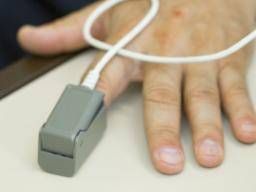
Pulse oximetry may look like one of the simplest tests in modern medicine: a tiny clip on a finger, a few blinking lights, and numbers appear on a screen. Easy, right? Almost suspiciously easy. But behind that little gadget is a powerful tool that helps doctors, nurses, respiratory therapists, and many patients at home understand one very important question: Is enough oxygen getting into the blood?
A pulse oximeter, often called a “pulse ox,” measures oxygen saturation, usually shown as SpO2. This number estimates the percentage of hemoglobin in the blood that is carrying oxygen. In plain English: it gives a quick snapshot of how well oxygen is traveling from the lungs into the bloodstream and around the body. Most healthy people have readings around 95% to 100%, though normal values can vary depending on health conditions, altitude, and individual medical guidance.
The big benefit? Pulse oximetry is fast, painless, noninvasive, and useful in many situationsfrom hospital operating rooms to home monitoring for chronic lung disease. It is not a crystal ball, and it definitely should not replace medical judgment, but it is one of the handiest “early warning lights” in health care. Think of it as the check-engine light for oxygen, except less annoying than the one in your car.
What Is Pulse Oximetry?
Pulse oximetry is a simple test that estimates the amount of oxygen in your blood. A small device clips onto a fingertip, toe, or earlobe. Some devices use adhesive sensors, especially in hospitals or for infants. The machine shines red and infrared light through the skin and blood vessels. Because oxygen-rich and oxygen-poor blood absorb light differently, the device can estimate oxygen saturation.
Most pulse oximeters display two numbers. The first is SpO2, your estimated blood oxygen saturation. The second is your pulse rate, or heartbeats per minute. Some hospital monitors also show a waveform called a plethysmography wave, which helps clinicians judge whether the reading is reliable.
One reason pulse oximetry became so widely used is that it provides information quickly without drawing blood. Before pulse oximeters became common, checking oxygen levels often required an arterial blood gas test, which involves taking blood from an artery. That test can be very accurate, but it is more invasive and less convenient. Pulse oximetry gave health care teams a faster, easier way to monitor oxygen status in real time.
How Pulse Oximetry Works
The science sounds fancy, but the idea is beautifully practical. Hemoglobin is the protein in red blood cells that carries oxygen. When hemoglobin is carrying oxygen, it absorbs light differently than hemoglobin that is not carrying oxygen. A pulse oximeter compares those light absorption patterns and calculates an estimated oxygen saturation percentage.
The “pulse” part matters too. The device focuses on pulsating arterial bloodthe blood being pumped by the heart. That helps separate the oxygen signal from surrounding tissues, veins, and skin. This is why cold hands, poor circulation, movement, or an irregular pulse can make readings less reliable. A pulse oximeter is smart, but it is not a wizard. It still needs a decent signal to do its job.
Common Uses of Pulse Oximetry
1. Checking Oxygen Levels During Medical Visits
Pulse oximetry is often used during routine medical exams, urgent care visits, emergency room evaluations, and hospital admissions. If someone has shortness of breath, chest discomfort, coughing, wheezing, dizziness, or signs of infection, an oxygen reading can help the clinician quickly understand whether oxygen levels are normal or low.
For example, a person with pneumonia may look only mildly uncomfortable but have a lower-than-expected oxygen level. Another person may feel breathless but have normal oxygen saturation, pointing the clinician toward other possible causes such as anxiety, anemia, asthma flare-ups, or heart-related concerns. The number is not the whole story, but it adds an important clue.
2. Monitoring People With Lung Conditions
Pulse oximetry is especially useful for people with lung diseases such as COPD, asthma, pulmonary fibrosis, pneumonia, and some cases of long-term respiratory illness. These conditions can interfere with the lungs’ ability to move oxygen into the blood. By checking oxygen saturation, clinicians can see whether a person needs closer observation, medication adjustments, supplemental oxygen, or emergency care.
Some people with chronic lung disease use pulse oximeters at home under medical guidance. This can help them track changes during flare-ups, respiratory infections, exercise, or recovery after hospitalization. The most useful information is often not one single reading, but the pattern over time. A sudden drop or a reading that stays lower than usual may matter more than a random number taken while your finger is cold from holding an iced coffee like it owes you money.
3. Monitoring Heart Conditions
Pulse oximetry can also help in certain heart-related conditions. The heart and lungs work as a team: the lungs bring oxygen in, and the heart pumps oxygen-rich blood throughout the body. If the heart is not pumping effectively, oxygen delivery can be affected. Pulse oximetry may be used in people with heart failure, congenital heart disease, or during evaluation for chest pain and shortness of breath.
However, a normal oxygen level does not rule out a heart problem. Someone can have chest pain or serious cardiac symptoms and still show a normal SpO2. That is why pulse oximetry is best viewed as one vital sign among many, along with blood pressure, heart rate, breathing rate, temperature, symptoms, medical history, and physical examination.
4. Use During Surgery and Sedation
In operating rooms, recovery rooms, and procedure areas, pulse oximetry is a standard safety tool. During anesthesia or sedation, breathing can slow down or become less effective. Continuous oxygen monitoring helps the medical team detect changes early and respond quickly.
This is one of the biggest benefits of pulse oximetry: it can alert clinicians to oxygen problems before visible signs become obvious. A patient under anesthesia cannot say, “Excuse me, I feel a little oxygen-deprived over here.” The monitor speaks up on their behalf, usually with beeps that are either lifesaving or mildly dramatic, depending on the situation.
5. Emergency and Critical Care Monitoring
Pulse oximetry is widely used in ambulances, emergency departments, intensive care units, and trauma settings. In emergencies, every second counts. A quick oxygen reading helps clinicians prioritize care, decide whether oxygen support is needed, and monitor whether treatments are working.
For example, if a patient arrives with severe asthma symptoms and a low oxygen saturation, the care team may provide oxygen, bronchodilator treatments, steroids, or other interventions. As the patient improves, rising oxygen levels can support the clinical picture. If the number stays low or worsens, that can signal the need for more aggressive treatment.
6. Sleep and Breathing Evaluation
Pulse oximetry may be used during sleep studies or overnight oxygen checks. During sleep, some people experience repeated drops in oxygen levels due to sleep apnea or other breathing disorders. Overnight oximetry can show patterns of oxygen desaturation, although it usually cannot diagnose sleep apnea by itself.
A full sleep study measures many things, including breathing, oxygen levels, heart rhythm, brain waves, movement, and sleep stages. Pulse oximetry is one part of the puzzle. It can help identify whether further testing is needed or whether treatment, such as CPAP therapy or oxygen therapy, is helping.
7. Home Monitoring During Illness
Home pulse oximeters became especially familiar during the COVID-19 pandemic, when some people used them to monitor oxygen levels during respiratory illness. The reason was simple: some patients developed low oxygen levels without feeling extremely short of breath, a situation sometimes called “silent hypoxemia.”
At-home monitoring may be helpful for certain people, especially those with lung disease, heart disease, recent hospitalization, or a clinician’s recommendation. But buying a pulse oximeter “just because” is not always necessary. It should not become a pocket-sized anxiety machine. The best use is targeted, informed, and connected to medical advice.
Benefits of Pulse Oximetry
It Is Fast
A pulse oximeter can produce a reading within seconds. This speed is valuable in emergencies, surgeries, clinics, and home monitoring. When oxygen levels are falling, fast information can lead to fast action.
It Is Painless and Noninvasive
No needles. No blood draw. No dramatic medical TV scene. For most people, pulse oximetry simply involves placing a clip on the finger. This makes it useful for children, older adults, people who need repeated monitoring, and patients who may not tolerate invasive testing well.
It Helps Detect Low Oxygen Early
Low oxygen levels, also called hypoxemia, can become dangerous if not recognized. Pulse oximetry can help detect oxygen problems before they become severe. This is especially important in people with respiratory infections, chronic lung disease, sleep-related breathing problems, or complications after surgery.
It Supports Better Treatment Decisions
Pulse oximetry can help clinicians decide whether a person needs oxygen therapy, additional testing, hospital care, medication changes, or closer follow-up. It can also help show whether treatment is working. For example, if oxygen saturation improves after a breathing treatment, that is useful feedback.
It Can Track Trends Over Time
One reading is a snapshot. Several readings over time create a story. For people who have been told to monitor at home, trends may help identify worsening symptoms earlier. A person with COPD, for example, may learn their usual baseline and notice when readings become lower than normal during an infection or flare-up.
It Is Portable and Convenient
Many pulse oximeters are small enough to fit in a pocket, medical bag, or bedside drawer. Hospitals use more advanced versions, but consumer devices are widely available. This convenience makes oxygen monitoring possible outside traditional medical settings, especially when recommended by a health care provider.
What Do Pulse Oximeter Readings Mean?
For many healthy adults, a typical SpO2 reading is around 95% to 100%. Readings below that may or may not be concerning depending on the person’s condition. Some people with chronic lung disease may have a lower usual baseline, and people living at high altitude may also have slightly lower levels.
In general, a reading under 90% is often considered low and needs prompt medical attention. However, there is no single number that applies perfectly to every person. Symptoms matter. A person with chest pain, severe shortness of breath, confusion, bluish lips, fainting, or worsening illness should seek medical help even if the pulse oximeter reading looks “not too bad.” Machines can miss things; your body’s warning signs deserve respect.
How to Use a Pulse Oximeter Correctly at Home
If a clinician has recommended home pulse oximetry, technique matters. Small details can affect the reading.
Step-by-Step Tips
- Rest for a few minutes before checking your oxygen level.
- Make sure your hand is warm and relaxed.
- Remove nail polish or artificial nails from the finger being used if possible.
- Place the device securely on the fingertip, usually the index or middle finger.
- Keep your hand still and wait until the number stabilizes.
- Write down the reading, pulse rate, time, and symptoms if you are tracking trends.
- Follow the action plan given by your health care provider.
Do not panic over one odd reading. Recheck after warming your hands, sitting still, and adjusting the device. If readings remain low or symptoms are concerning, contact a medical professional right away.
Factors That Can Affect Accuracy
Pulse oximeters are useful, but they are not perfect. Several things can make readings less accurate:
- Cold fingers or poor circulation: The device needs good blood flow to detect a strong pulse signal.
- Movement: Wiggling, shaking, or talking with your hands like you are conducting an orchestra can interfere with the reading.
- Nail polish or artificial nails: Dark polish, acrylic nails, or gel coatings may affect light transmission.
- Skin pigmentation: Research has shown that some pulse oximeters may overestimate oxygen levels in people with darker skin tones.
- Bright light: Strong external light can sometimes interfere with the sensor.
- Smoking or carbon monoxide exposure: Carbon monoxide can make readings misleading because some devices cannot distinguish it from oxygen-bound hemoglobin.
- Device quality: Medical-grade devices are generally held to higher standards than basic wellness gadgets.
Because of these limitations, pulse oximetry should be interpreted alongside symptoms and clinical context. A number that does not match how someone looks or feels should be questioned. In health care, common sense still gets a seat at the table.
Pulse Oximetry vs. Arterial Blood Gas Testing
Pulse oximetry estimates oxygen saturation noninvasively. An arterial blood gas test, often called an ABG, measures oxygen, carbon dioxide, blood pH, and other values directly from arterial blood. ABG testing is more detailed and can be more accurate in certain situations, but it requires a blood sample from an artery.
Pulse oximetry is excellent for quick screening and continuous monitoring. ABG testing may be needed when clinicians need deeper information, especially in serious illness, respiratory failure, severe COPD exacerbations, or when pulse oximeter readings do not match the patient’s condition.
Who May Benefit From Having a Pulse Oximeter?
Not everyone needs a pulse oximeter at home. For healthy people without breathing or heart problems, routine checking may create more worry than benefit. However, some people may benefit from home monitoring if recommended by a clinician, including those with:
- COPD or emphysema
- Pulmonary fibrosis or other chronic lung disease
- Moderate to severe asthma
- Heart failure or certain heart conditions
- Recent pneumonia or serious respiratory infection
- Home oxygen therapy
- Sleep-related breathing disorders under evaluation or treatment
- Recent surgery or hospital discharge with monitoring instructions
The key phrase is “if recommended by a clinician.” A pulse oximeter is most helpful when you know your personal target range, when to recheck, when to call your doctor, and when to seek urgent care.
When to Seek Medical Help
Contact a health care provider if your oxygen readings are lower than your usual range, if you notice a downward trend, or if you are unsure how to interpret the numbers. Seek urgent medical care for severe shortness of breath, chest pain, confusion, fainting, bluish lips or face, inability to speak in full sentences, or oxygen levels that remain very low after rechecking.
Do not rely only on the device. If someone looks seriously ill, trust the person, not the plastic clip. Pulse oximeters are helpful tools, not tiny emergency room doctors.
Practical Experiences and Real-Life Lessons About Pulse Oximetry
In everyday life, pulse oximetry is most valuable when it is used calmly, consistently, and with a clear purpose. One common experience is the “mystery low reading” that appears because the user checks too quickly. A person clips the device on, sees 89%, panics, and then thirty seconds later the number rises to 97%. What happened? Often, the device simply had not settled yet, or the finger was cold, or the clip was slightly crooked. The lesson: give the device a moment, keep still, and look for a stable reading.
Another practical lesson comes from people with chronic lung conditions. Many learn that their pulse oximeter is most helpful when paired with a symptom diary. For example, a person with COPD might record morning and evening readings, pulse rate, cough severity, mucus changes, medication use, and activity level. Over time, patterns become easier to recognize. A reading of 93% might be normal for one person but unusual for another. Context is the secret sauce. Without it, numbers can become confusing little gremlins.
Pulse oximetry can also be useful during exercise or rehabilitation when recommended by a medical professional. Some patients in pulmonary rehab monitor oxygen saturation while walking, cycling, or doing supervised activity. The goal is not to stare at the device every five seconds, but to understand how the body responds to effort. If oxygen levels drop with activity, clinicians may adjust pacing, breathing techniques, rest breaks, or oxygen therapy. This can help people stay active more safely and confidently.
Caregivers often appreciate pulse oximeters because they provide an extra piece of information during illness. For example, when an older adult has a respiratory infection, family members may notice that oxygen readings are trending lower than usual before symptoms become dramatic. That can encourage earlier medical contact. Still, caregivers should avoid turning every cough into a full monitoring ceremony. The device should reduce uncertainty, not become the household’s new drama director.
Parents sometimes encounter pulse oximetry in pediatric clinics or hospitals. Children may receive oxygen checks during respiratory infections, asthma attacks, bronchiolitis, or recovery after procedures. The experience is usually quick and painless, which is a blessing because convincing a child to accept medical equipment can feel like negotiating an international treaty. Pediatric readings must be interpreted by trained clinicians because children’s symptoms, breathing effort, and age-specific factors matter greatly.
Another real-world issue is overchecking. Some people buy a pulse oximeter and begin checking dozens of times a day. This can create anxiety, especially when normal fluctuations appear. Oxygen saturation can vary slightly with movement, breathing pattern, altitude, circulation, and device placement. For most home users, checking should follow a clinician’s plan. More numbers do not always mean more knowledge. Sometimes they just mean more opportunities to worry.
Finally, pulse oximetry teaches an important health lesson: technology is useful, but it works best with human judgment. A reassuring number does not cancel serious symptoms. A concerning number should be rechecked properly and taken seriously if it persists. The smartest approach is balanced: use the pulse oximeter as a helpful guide, understand its limits, and communicate with health care professionals when readings or symptoms raise concern.
Conclusion
Pulse oximetry is one of the most practical tools in modern health care. It is quick, painless, portable, and useful for checking how well oxygen is reaching the blood. From hospitals and emergency rooms to sleep studies and carefully guided home monitoring, pulse oximetry helps detect low oxygen levels, track treatment response, and support better medical decisions.
Its benefits are impressive, but its limits matter too. Readings can be affected by cold fingers, movement, nail polish, poor circulation, skin pigmentation, smoking, and device quality. That is why pulse oximetry should never be used in isolation. Symptoms, medical history, and professional guidance are just as important as the number on the screen.
Important note: This article is for general educational purposes only and is not a substitute for medical advice, diagnosis, or treatment. If you have concerning symptoms or repeated low oxygen readings, contact a qualified health care professional or seek urgent medical care.

