
Beauty Tools & Accessories
3 Ways to Pay the Congestion Charge
Jun
Note: This article is written for web publishing in standard American English and is based on current, real-world London Congestion Charge payment guidance. Drivers should always confirm details with Transport for London before traveling, because fees, discounts, and rules can change faster than a London cabbie spotting an open bus lane.
Introduction: Paying the Congestion Charge Without Losing Your Cool
If you plan to drive into central London, the Congestion Charge is one of those little details that can turn a smooth trip into a “why is there a penalty notice in my mailbox?” moment. The system is not complicated, but it is strict. Drive inside the Congestion Charge zone during charging hours, and in most cases, you must pay the daily fee. Forget to pay, pay through the wrong website, or assume your electric vehicle is automatically free, and the bill can become much less charming.
The good news is that paying the Congestion Charge is much easier than navigating a roundabout while a delivery van, a cyclist, and a black cab all appear to have different opinions about physics. Transport for London, commonly known as TfL, offers several official ways to pay. The three most practical options are Auto Pay, online or app payment, and payment by phone. Each method suits a different kind of driver, from daily commuters to tourists in rental cars to business owners managing several vehicles.
This guide explains the three main ways to pay the Congestion Charge, how much it costs, when it applies, what to watch out for, and how to avoid common mistakes. Think of it as your friendly, slightly caffeinated co-driver for central London road charges.
What Is the Congestion Charge?
The London Congestion Charge is a daily road user charge for driving within the central London Congestion Charge zone during designated hours. Its purpose is to reduce traffic congestion, encourage public transportation use, and keep the city from turning into one giant parking lot with historic architecture.
As of current guidance, the daily Congestion Charge is £18 if paid in advance or on the day of travel. If you pay after the day of travel but by midnight on the third charging day after driving in the zone, the charge is £21. If you miss that deadline, you may receive a Penalty Charge Notice, often called a PCN.
When the Congestion Charge Applies
The charge generally applies during these hours:
- Monday to Friday: 7:00 a.m. to 6:00 p.m.
- Saturday, Sunday, and bank holidays: 12:00 p.m. to 6:00 p.m.
- No charge: Between Christmas Day and the New Year’s Day bank holiday, inclusive
You only need to pay once per charging day, even if you drive in and out of the Congestion Charge zone several times on the same day. That is a rare mercy in the world of urban driving fees, so enjoy it.
Congestion Charge vs. ULEZ: Do Not Mix Them Up
The Congestion Charge is separate from the Ultra Low Emission Zone, or ULEZ. The Congestion Charge is about managing traffic in central London. ULEZ is about vehicle emissions. Some drivers may need to pay both, depending on where they drive and whether their vehicle meets emissions standards. In other words, paying one charge does not automatically cover the other. London road charging is not a buffet; you cannot grab one plate and assume dessert is included.
Way 1: Pay With Auto Pay
Auto Pay is the easiest and most reliable way to pay the Congestion Charge, especially if you drive in London regularly. Once your vehicle is registered, TfL automatically records the charging days when your vehicle travels within the Congestion Charge zone and bills your chosen payment method.
This method is ideal for commuters, local residents, small business owners, delivery drivers, rideshare drivers, and anyone whose memory has ever been defeated by a busy Monday morning. Instead of manually remembering to pay every time you enter the zone, Auto Pay handles it for you.
How Auto Pay Works
To use Auto Pay, you create or sign in to a London Road User Charging account, register your vehicle, and add a payment card or Direct Debit information. Once active, the system automatically charges you when your vehicle enters the Congestion Charge zone during charging hours.
Auto Pay can be used for up to five vehicles on a standard account. Businesses operating more than five vehicles may use Fleet Auto Pay, which is designed for larger vehicle operations. This is helpful for companies that do not want their accounting department to spend half the week playing “guess which van entered Westminster.”
Why Auto Pay Is Usually the Best Option
The biggest advantage of Auto Pay is that it helps prevent missed payments. A missed Congestion Charge payment can lead to a PCN, which costs far more than the original daily charge. Auto Pay also creates a clearer payment history, making it easier to manage expenses, check past journeys, and avoid administrative headaches.
Another important benefit is that certain discounts may depend on proper account registration. For example, eligible electric vehicles must be registered correctly for Auto Pay to receive the Cleaner Vehicle Discount. Drivers should not assume that a qualifying vehicle automatically receives a lower charge without registration. The cameras may be smart, but they are not psychic.
Best For
- Regular London drivers
- Commuters entering the zone more than once a month
- Families with repeated hospital, school, or work trips in central London
- Small businesses managing several vehicles
- Drivers who want the lowest risk of forgetting to pay
Auto Pay Tips
Before relying on Auto Pay, make sure your vehicle registration number is entered correctly. One wrong letter or number can turn convenience into comedy, followed by paperwork. Also keep your payment card updated. If your card expires or your Direct Debit fails, Auto Pay may not protect you the way you expect.
It is also smart to review your account occasionally. Check that your vehicle is active, your payment method is current, and your journey history looks right. Auto Pay is convenient, but like all automated systems, it works best when humans occasionally look at it with coffee in hand.
Way 2: Pay Online or Through the TfL Pay to Drive in London App
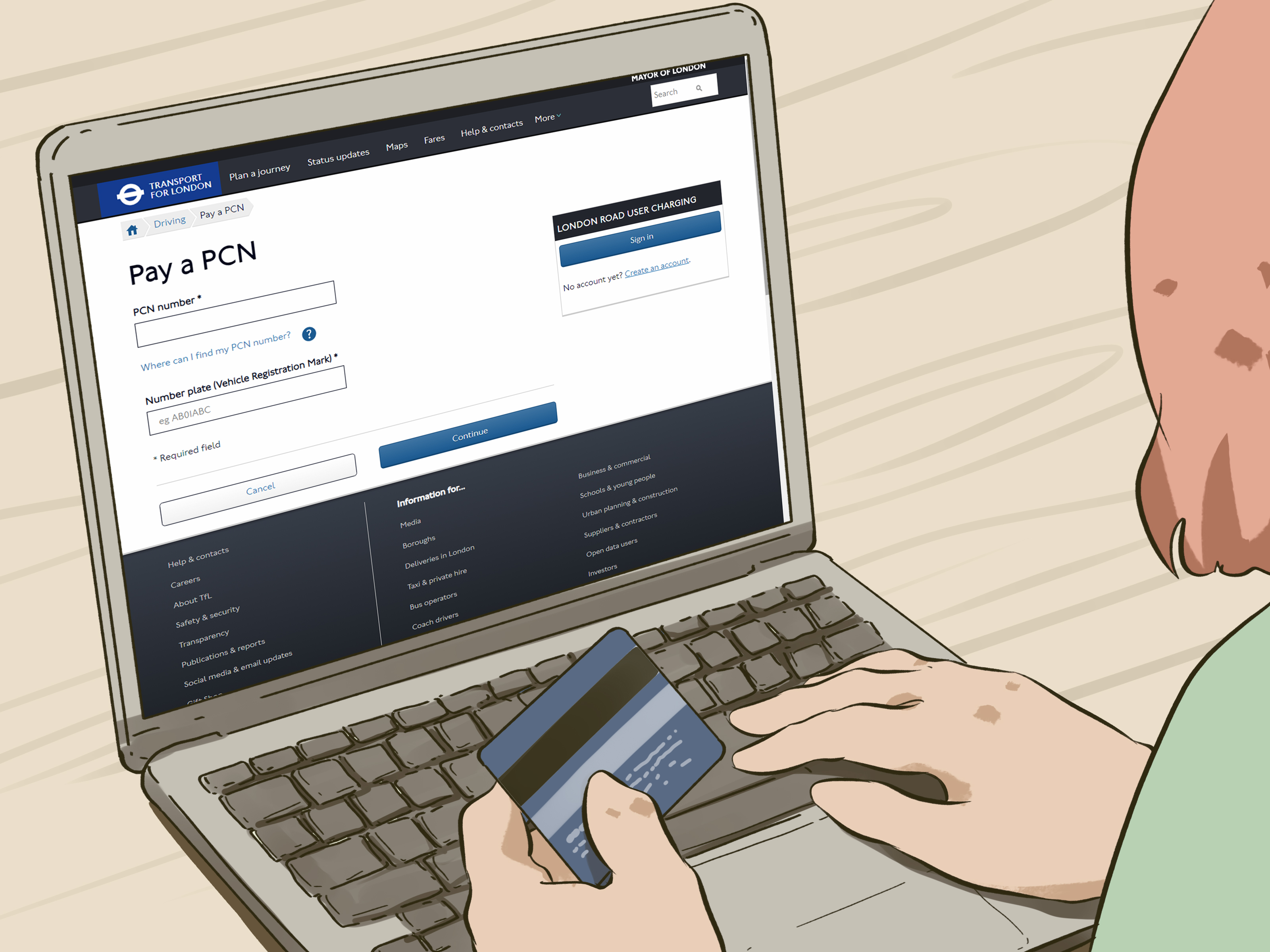
The second major way to pay the Congestion Charge is through TfL’s official online payment system or the official TfL Pay to Drive in London app. This is a strong choice for occasional drivers, visitors, tourists, and anyone who knows exactly when they will drive into the zone.
You can pay in advance, on the day of travel, or by midnight on the third charging day after travel. Paying in advance or on the same day costs less than paying later. That small difference matters, especially if you drive into the zone more than once over a trip.
Paying Online
Online payment is straightforward. You enter your vehicle registration number, select the charge date or date range, and pay securely. You can pay for a single day, multiple days, or a custom date range depending on your travel plans.
This method is especially useful if you are planning ahead. For example, if you are driving into central London for a hotel stay, theater performance, business meeting, or appointment, you can pay before you travel and cross one worry off your list. Your future self will appreciate it, possibly while stuck behind a bus near Holborn.
Using the Official App
The TfL Pay to Drive in London app lets drivers pay the Congestion Charge, manage vehicle details, check payment history, set up Auto Pay, pay penalties, and check whether a postcode is inside a charging area. It can also help with other London road charges, including ULEZ and Low Emission Zone charges where applicable.
The app is useful because it keeps payment tasks in one place. If you are traveling, hiring a car, or juggling multiple London driving rules, the app can reduce confusion. It is much better than relying on memory, screenshots, or a note scribbled on a receipt from a gas station.
Watch Out for Unofficial Payment Websites
One of the most important tips is simple: use official TfL channels. Unofficial websites may appear in search results and may charge extra fees, provide misleading information, or make the process more confusing than it needs to be. Paying through the official TfL website or app is the safest route.
Before entering payment details, check that you are using the official Transport for London payment system. If a website looks suspicious, adds strange service fees, or promises magical shortcuts, treat it like a mystery sandwich found on a train seat: do not trust it.
Best For
- Tourists and visitors driving into central London
- Drivers who only enter the zone occasionally
- People who prefer paying manually
- Rental car users who need to pay for a specific day
- Drivers who want to pay before travel and avoid late fees
Online and App Payment Tips
Always double-check your vehicle registration number before paying. This is especially important for rental cars, company vehicles, and foreign-registered vehicles. Pay attention to the date as well. Paying for the wrong date is like bringing an umbrella after the rain stopped: technically organized, but not very useful.
Save your receipt or confirmation number. If a payment issue occurs later, having proof makes the process much easier. You should also remember that the daily charge covers one vehicle for one charging day, not every vehicle you happen to be thinking about that afternoon.
Way 3: Pay by Phone
The third way to pay the Congestion Charge is by phone. TfL provides phone payment options for drivers who prefer speaking to a person or who cannot easily use the website or app. This can be helpful if you are traveling, have limited internet access, need support with your account, or simply prefer not to wrestle with another password.
Phone payment is not always the fastest method, especially during busy periods, but it remains an important option. It can also be useful for drivers with accessibility needs or those who have questions before paying.
How Phone Payment Works
To pay by phone, you call TfL’s Pay to Drive in London service, provide the required vehicle and payment information, and complete the transaction. UK and international phone numbers are available, and a textphone service is also provided for people with impaired hearing.
Phone lines generally operate during weekday business hours and are closed on weekends and bank holidays. Because the Congestion Charge also applies on weekends during certain hours, drivers should not wait until Sunday evening and assume phone support will rescue them like a superhero in a headset.
Best For
- Drivers who need help with payment
- People who prefer not to use online systems
- Drivers with accessibility needs
- International visitors who need clarification
- Anyone dealing with a more complicated account or vehicle issue
Phone Payment Tips
Before calling, have your vehicle registration number, travel date, payment card, and any account information ready. This will make the call faster and reduce the chance of mistakes. Also keep a record of the payment confirmation.
If you are near the payment deadline, online or app payment may be faster than waiting for phone support. Phone payment is useful, but it should not be your emergency parachute if you remembered the charge at 11:57 p.m.
How Much Does the Congestion Charge Cost?
The standard charge is currently £18 if paid in advance or on the day of travel. If you pay later, but still by midnight on the third charging day after driving in the zone, the charge is £21. After that deadline, a Penalty Charge Notice may be issued.
The penalty can be significantly higher than the original charge. A PCN may be reduced if paid quickly, but if ignored, the amount can increase. The financial lesson is simple: paying the Congestion Charge on time is much cheaper than pretending the cameras were just admiring your car.
Common Mistakes When Paying the Congestion Charge
1. Thinking ULEZ Payment Covers the Congestion Charge
ULEZ and the Congestion Charge are separate. If your vehicle does not meet ULEZ standards and you drive inside applicable zones, you may need to pay ULEZ in addition to the Congestion Charge. Always check both requirements before driving.
2. Paying for the Wrong Vehicle
This happens more often than people think. A typo in the registration number can mean your payment is attached to a vehicle that is not yours. Always check the plate carefully, especially with rental cars or company vehicles.
3. Missing the Deadline
You can pay by midnight on the third charging day after travel, but after that, the situation becomes more expensive. Set a reminder immediately after entering the zone if you have not paid in advance.
4. Assuming Discounts Are Automatic
Some discounts and exemptions require registration. Electric vehicles, Blue Badge holders, residents, and other eligible drivers should confirm registration requirements before traveling.
5. Using Unofficial Websites
Unofficial payment sites may charge unnecessary fees or create confusion. The safest method is to pay directly through TfL’s official online system, official app, Auto Pay, or official phone service.
Which Payment Method Should You Choose?
If you drive in central London regularly, choose Auto Pay. It is the simplest way to reduce the risk of forgetting and is the best long-term option for repeat drivers.
If you only drive into the zone occasionally, choose online or app payment. It gives you control, lets you pay ahead of time, and works well for planned trips.
If you need help, have accessibility needs, or cannot use digital tools easily, choose phone payment. Just remember that phone support has operating hours, so do not leave it until the last possible minute.
Specific Examples
Example 1: The Tourist With a Rental Car
A visitor rents a car and drives into central London on Saturday afternoon. Because the Congestion Charge applies from noon to 6:00 p.m. on weekends and bank holidays, the visitor likely needs to pay. The best option is to pay online or through the official app on the same day. They should save the payment receipt and confirm the rental car’s registration number before submitting payment.
Example 2: The Daily Commuter
A commuter drives into the zone several times each week. Manual payment would be annoying and risky. Auto Pay is the best choice because it automatically bills chargeable days and reduces the chance of receiving a penalty.
Example 3: The Small Business Owner
A florist, courier, contractor, or cleaning company sends vehicles into central London for jobs. If the business uses up to five vehicles, a standard Auto Pay account may work. If it operates more than five vehicles, Fleet Auto Pay is worth considering. Either way, automated payment is much easier than asking employees to remember payment deadlines after a long day of deliveries.
Extra Experience Section: Real-World Lessons From Paying the Congestion Charge
Paying the Congestion Charge sounds like a tiny administrative chore, but in real life, it is connected to timing, planning, vehicle records, and the emotional state of anyone who has just spent forty minutes looking for parking near central London. The best experience starts before the trip. If you know you will drive into the zone, check the zone map and charging hours before leaving. This prevents the classic mistake of realizing too late that your quick “shortcut” through central London was actually a paid sightseeing tour conducted by traffic cameras.
One practical habit is to treat Congestion Charge planning like airport check-in. You would not show up for an international flight and say, “I’ll figure out the passport thing at the gate.” Similarly, do not enter the zone first and hope payment details magically sort themselves out later. If the trip is planned, pay online in advance or confirm Auto Pay is active. If the trip is unexpected, use the official app as soon as you safely park.
For rental cars, the experience can be trickier. Drivers may assume the rental company handles everything. Sometimes rental companies do process road charges and pass them on, but policies vary, and administrative fees can appear. The smarter move is to ask the rental company how London road charges are handled before driving into the zone. Get the vehicle registration number, confirm whether you are responsible for paying directly, and keep receipts. A rental car agreement is not exciting reading, but neither is a surprise fee weeks later.
For business drivers, consistency matters most. The driver who says “I’ll remember later” is usually the same driver who later remembers while brushing their teeth at midnight. Businesses should create a simple rule: all vehicles likely to enter the zone go on Auto Pay, and account details are reviewed monthly. This makes expense tracking easier and keeps payment responsibility clear. It also prevents awkward conversations that begin with, “Who had the van on Tuesday?”
For tourists, the best experience may be not driving at all. Central London has excellent public transportation, and many visitors find that the Tube, buses, walking, or taxis are simpler than dealing with parking, traffic, ULEZ rules, and the Congestion Charge. Driving can make sense for certain trips, especially with luggage, mobility needs, or travel outside London, but it should be a deliberate choice rather than a default one.
Another real-world tip is to screenshot or save every confirmation. Even if payment systems work correctly, having proof gives peace of mind. Store the receipt with your travel date and vehicle registration number. If you manage several vehicles, name files clearly. “London charge van 2 March 14” is much more helpful than “Screenshot_9482,” which sounds like evidence in a detective show nobody asked to join.
The final lesson is that the Congestion Charge is not designed to be mysterious. Most problems come from rushing, assuming, or using unofficial payment pages. Use official payment channels, check the vehicle plate, pay on time, and keep records. Do that, and the Congestion Charge becomes just another travel costnot a villain in your personal London driving drama.
Conclusion: The Smartest Way to Pay the Congestion Charge
The three main ways to pay the Congestion Charge are Auto Pay, online or app payment, and phone payment. Auto Pay is best for regular drivers because it reduces the chance of forgetting. Online and app payments are best for occasional trips, visitors, and planned journeys. Phone payment remains useful for drivers who need help or prefer direct support.
The most important rule is simple: pay through official TfL channels and pay on time. Check the zone, check the hours, check your vehicle registration number, and check whether ULEZ or discounts also apply. That may sound like a lot of checking, but it is still easier than challenging a penalty notice while muttering at your inbox.
Whether you are a commuter, tourist, business driver, or one-time visitor, understanding how to pay the Congestion Charge helps you avoid unnecessary fees and travel with confidence. London roads may still be busy, but at least your payment plan does not have to be.

