
Hair Care
Current Obsessions: In Full Bloom
Jun
Every season has its little personality. Winter is dramatic, fall is a cozy overachiever, summer shows up wearing sunglasses, and spring? Spring walks in carrying flowers, rearranges the furniture, opens every window, and convinces us that yes, maybe we do need a vase shaped like a cabbage. Right now, the design world, gardening world, and lifestyle world are all sharing one cheerful mood: everything is in full bloom.
“Current Obsessions: In Full Bloom” is not just about flowers sitting politely in a glass vase. It is about the bigger floral moment happening across homes, gardens, tables, patios, weddings, wardrobes, and even tiny balcony corners. Blooms are showing up as living color palettes, mood boosters, pollinator support systems, home decor statements, and low-effort ways to make ordinary rooms feel like they got a personality upgrade.
The best part? This trend is no longer limited to perfect English gardens or expensive florist arrangements that require a small financial strategy meeting. Today’s flower obsession is more practical, playful, sustainable, and personal. It welcomes zinnias in a coffee mug, dahlias in a cutting garden, white begonias in a container, solar lanterns glowing beside the patio, and floral upholstery that says, “I may own a vacuum, but I also have romance in my soul.”
Why “In Full Bloom” Feels So Right Now
Floral design is having a fresh moment because people are craving homes and outdoor spaces that feel alive. After years of minimalism, beige rooms, and furniture that looked too nervous to be sat on, many homeowners are leaning toward warmth, comfort, self-expression, and small joyful upgrades. In other words, we are tired of rooms that whisper. We want rooms that hum.
Blooms help with that instantly. A single vase of cosmos can soften a kitchen counter. A container of trailing portulaca can make a balcony look intentional instead of “where the extra chair went to retire.” A floral sofa or patterned pillow can turn a plain living room into a space with story, color, and charm.
This obsession also fits perfectly with the rise of micro makeovers. People want updates that do not require a contractor, a demolition permit, or three weeks of eating takeout because the kitchen is “almost done.” Flowers are the ultimate low-lift transformation. Add a bouquet, plant a pot, swap in botanical art, or bring in a handmade floral object, and suddenly the whole room feels more awake.
The Flower Trends Blooming Everywhere
1. Romantic Flowers With a Little Drama
Romantic blooms are back, but not in a stiff, old-fashioned way. The current look is layered, nostalgic, and slightly theatrical. Dahlias, ranunculus, lisianthus, cosmos, sweet peas, and specialty zinnias are especially popular because they look like they wandered out of a garden party with excellent lighting.
Dahlias remain a favorite because they deliver maximum visual reward. They come in endless shapes and colors, from neat little pom-poms to giant dinner-plate blooms that look like they are auditioning for a leading role. Zinnias, meanwhile, are winning hearts for their heat tolerance, long bloom time, and easy-going nature. They are the golden retrievers of the flower bed: bright, reliable, and happy to be included.
Lisianthus offers the elegance of roses without the thorns, while cosmos bring airy movement and a casual cottage-garden feeling. Sweet peas add fragrance and nostalgia, which is a polite way of saying they make people say, “This smells like a memory,” even if they cannot identify which memory.
2. Resilient Blooms for Real-Life Weather
The modern flower obsession is not only about beauty. It is also about flowers that can handle heat, drought, and unpredictable growing conditions. Gardeners are paying closer attention to resilient plants such as coneflowers, black-eyed Susans, blanket flowers, lantana, moss rose, gomphrena, marigolds, and zinnias.
This shift makes sense. A garden should not require the emotional stamina of a full-time job. Heat-tolerant and drought-tolerant flowers allow homeowners to enjoy color even when summer turns spicy. Coneflowers are especially valuable because they combine long bloom time, strong structure, and pollinator appeal. Gomphrena adds cute globe-shaped texture and lasts beautifully in arrangements. Moss rose thrives in sun-baked places where fussier flowers would file a complaint.
For containers, trailing plants are having a serious moment. Creeping zinnia, Madagascar periwinkle, trailing portulaca, sweet potato vine, and trailing lantana spill beautifully from baskets and pots. They make patios and porches look lush without demanding daily panic-watering, though containers still need more attention than in-ground plants because they dry out faster.
3. White Blooms and the Cloud-Like Garden
Soft white flowers are also trending, partly because they feel calm, elegant, and incredibly easy to pair with other colors. White does not mean boring. In a garden, white blooms catch evening light, glow under moonlight, and create a peaceful backdrop for stronger colors.
Popular choices include white peonies, candytuft, mock orange, white cosmos, flowering tobacco, Annabelle hydrangea, white dahlias, and white begonias. These flowers can make a garden feel airy and refined without turning it into a museum. Add green foliage, clay pots, woven baskets, and weathered wood, and suddenly the whole scene feels relaxed but polished.
White flowers are especially useful for small spaces because they visually brighten corners. A shaded patio, narrow side yard, or tiny apartment balcony can feel larger and fresher with pale blooms and leafy texture. It is basically lighting design, but with petals.
Blooms Inside the Home: Floral Decor Grows Up
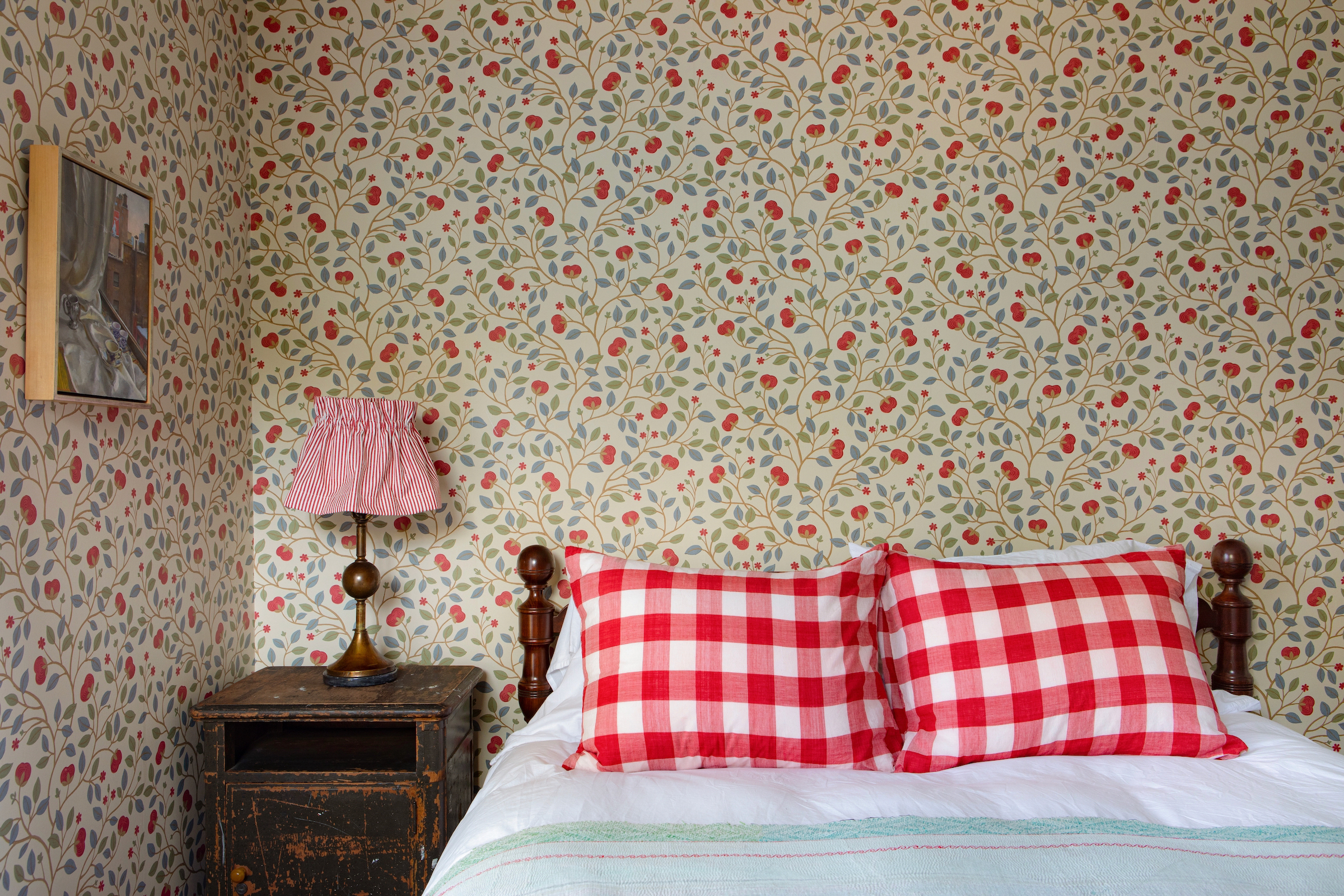
The floral trend is not staying politely outside. It is climbing onto sofas, curtains, wallpaper, table linens, lampshades, ceramics, and artwork. Patterned upholstery is returning in a big way, including floral sofas and chairs that bring personality to living rooms. The trick is balance. If you choose a bold floral couch, let it be the star and keep nearby pieces simpler. Nobody wants the living room to feel like five wallpapers got into an argument.
Botanical prints, vintage floral plates, handmade vases, embroidered cushions, and garden-inspired textiles are all easy ways to bring the look home. The current version of floral decor feels collected rather than coordinated. It is less “matching bed-in-a-bag” and more “interesting person with a favorite flea market.”
Handmade decor also fits naturally into this full-bloom mood. Ceramic bud vases, pressed-flower frames, block-printed napkins, painted trays, and woven baskets all add texture and individuality. They make floral style feel warm and human, not showroom-perfect.
How to Style the Full Bloom Look Without Overdoing It
Start With One Blooming Focal Point
The easiest way to try this trend is to pick one focal point. It might be a large vase of branches on the dining table, a container garden by the front door, a floral pillow on a neutral sofa, or a dramatic dahlia arrangement on a console. Give the eye one place to land before layering in more elements.
For beginners, start with flowers that are forgiving. Zinnias, cosmos, marigolds, begonias, lantana, and coneflowers are excellent choices. They offer color and personality without acting like tiny botanical divas.
Mix Fresh, Dried, and Printed Florals
Fresh flowers are lovely, but they are not the only way to enjoy blooms. Dried flowers, botanical prints, floral textiles, and nature-inspired lighting can extend the feeling year-round. Protea, for example, is gaining attention because it is bold, sculptural, long-lasting, and beautiful when dried. It looks modern in a single-stem arrangement and dramatic in a larger bouquet.
Try mixing fresh flowers with dried grasses, seed pods, or branches. The result feels more natural and less like a florist handed you a bouquet wrapped in guilt and expensive tissue paper.
Use Color Like a Garden Designer
A full-bloom look does not mean throwing every color into one room and hoping enthusiasm counts as design. Choose a palette. Soft whites and greens feel calm. Pink, peach, and cream feel romantic. Orange, terracotta, and gold feel warm and sun-baked. Purple, burgundy, and deep green feel moody and sophisticated.
In the garden, repeat colors for cohesion. On the table, use one main flower and two supporting textures. In the living room, echo a floral color in a throw blanket, book cover, or piece of art. Repetition is the secret sauce. It tells the eye, “Relax, this was on purpose.”
Full Bloom Outdoors: Gardens With Purpose
One reason the bloom obsession feels modern is that it is increasingly tied to sustainability. People are choosing flowers that support pollinators, reduce water use, and return year after year. Native plants and regionally appropriate perennials are especially valuable because they often require less maintenance once established.
Butterfly weed, coneflowers, bee balm, blazing star, milkweed, wild bergamot, and native sages are great examples of plants that bring beauty while helping bees, butterflies, hummingbirds, and other beneficial visitors. A flower garden can be pretty and purposeful at the same time. That is the kind of multitasking we support.
Water-wise gardening is also part of the movement. Xeriscaping does not mean replacing everything with gravel and one lonely cactus having an existential crisis. It means planning carefully, grouping plants by water needs, improving soil, using mulch, watering efficiently, and selecting plants that make sense for the local climate.
Tables, Patios, and Everyday Rituals in Bloom
The full-bloom trend is also about experience. Flowers are becoming part of everyday rituals: morning coffee beside a small vase, dinner outside under solar lanterns, handwritten notes on floral stationery, or a weekend trip to the farmers market for one bunch of whatever looks happiest.
Outdoor living continues to influence home design, and flowers make patios feel like rooms instead of leftover slabs of concrete. Add potted blooms, comfortable seating, lanterns, and a small table, and even a modest outdoor corner becomes a place to unwind. The goal is not perfection. The goal is atmosphere.
Solar garden lanterns with botanical or hummingbird cutouts are a good example of this mood. They combine outdoor decor, soft lighting, and nature-inspired charm without cords or complicated installation. In other words, they are ambience for people who do not want to read a manual.
Shopping the Trend Smartly
To enjoy the full-bloom look, you do not need to buy everything shaped like a flower. In fact, please do not. Your home should not look like it lost a bet with a garden center. Instead, shop slowly and choose pieces with staying power.
Look for versatile vases, quality planters, washable floral linens, durable outdoor pots, and plants suited to your climate. If you buy fresh flowers often, consider growing a few cutting-garden favorites. Zinnias, cosmos, snapdragons, and dahlias can provide armfuls of blooms through the season, and cutting them often encourages more flowers.
When harvesting zinnias, use the simple wiggle test: hold the stem below the flower and gently wiggle it. If the stem flops, wait. If it feels firm and only the flower head moves slightly, it is ready to cut. Snip above healthy leaves to encourage more growth. This is gardening advice and a tiny confidence boost in one.
Experiences: Living With the “In Full Bloom” Obsession
The nicest thing about a full-bloom obsession is that it changes how you notice your own space. Once flowers become part of your routine, the home starts to feel less like a list of chores and more like a living place. You begin to see the empty corner by the window as a future plant spot. You notice that the dining table looks friendlier with a small vase. You realize the porch could be more than a place where delivery boxes briefly experience daylight.
One of the easiest experiences to try is the weekly bloom ritual. Choose one day, buy or cut a small bunch of flowers, and place them somewhere you pass often. Not the formal dining room nobody uses except during holidays and mild family negotiations. Put them where life actually happens: beside the sink, near the coffee maker, on your desk, or next to the entryway. Even inexpensive flowers can change the tone of a day. A jar of cosmos can make dishwashing feel slightly less like a character-building exercise.
Another experience worth trying is planting for small wins. Many people avoid gardening because they imagine it requires raised beds, Latin plant names, and a hat with authority. Start smaller. Plant one container with a thriller, filler, and spiller: perhaps a compact zinnia, a few begonias, and trailing sweet potato vine. Place it where you can see it daily. Water it, trim it, watch it. The reward is not just the bloom; it is the tiny satisfaction of keeping something alive that is not a phone battery.
Hosting also becomes easier with flowers. A casual dinner feels intentional when there are blooms on the table, even if the meal is pasta and the salad is mostly optimism. Use low arrangements so guests can see each other. Mix herbs with flowers for fragrance. Tuck a single stem into each napkin if you want people to think you are effortlessly charming, even if you were panic-cleaning twenty minutes earlier.
The full-bloom mindset also works emotionally. Flowers remind us that beauty is seasonal, imperfect, and still absolutely worth enjoying. Some petals drop. Some stems lean. Some plants thrive while others dramatically perish despite your best effort and a very encouraging watering can. That is part of the experience. A blooming home is not a perfect home. It is a home that keeps renewing itself.
Over time, these small floral habits create a more personal style. You learn which colors make you happy, which flowers last longest, which scents you love, and which plants are too needy for your current lifestyle. You may discover that you are a dahlia person, a white hydrangea person, a wildflower person, or a “just give me one indestructible lantana and let me live” person. All are valid. Full bloom is not a rulebook. It is an invitation.
Conclusion: Let the Blooming Begin
“Current Obsessions: In Full Bloom” captures more than a seasonal decorating trend. It reflects a larger desire for homes, gardens, and daily routines that feel colorful, grounded, expressive, and alive. Flowers are beautiful, yes, but they are also practical design tools, pollinator helpers, mood lifters, and small reminders that joy does not always need to be complicated.
Whether you start with a floral pillow, a pot of heat-tolerant blooms, a vase of white cosmos, a bold protea arrangement, or a tiny cutting garden, the full-bloom look is easy to personalize. Keep it balanced, choose resilient plants, mix fresh and lasting elements, and let your space grow into the style naturally. After all, the best interiors and gardens are not frozen in place. They bloom, fade, surprise you, and bloom again.

