
Skincare
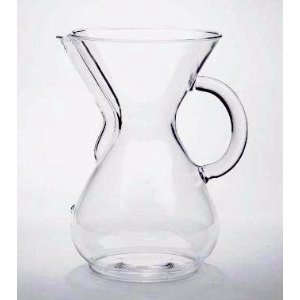
Chemex Six Cup Glass Coffee Maker
Jun
The Chemex Six Cup Glass Coffee Maker is one of those rare kitchen tools that looks like it belongs in an art museum and still has to wake up early for work. It is elegant, simple, slightly dramatic, and surprisingly practicalbasically the coffee maker equivalent of someone who wears linen on purpose. With its hourglass shape, polished wood collar, leather tie, and clear borosilicate glass body, the six-cup Chemex has become a favorite among pour-over coffee lovers who want a clean, bright, smooth cup without turning their kitchen counter into a science fair.
Unlike an electric drip machine that hides the brewing process behind plastic buttons and mysterious gurgling noises, the Chemex puts everything on display. You see the bloom, control the pour, smell the coffee as it opens up, and get a final brew that is crisp, aromatic, and beautifully filtered. It is not the fastest way to make coffee, but it may be one of the most satisfying. The Chemex asks for a little attention and rewards you with coffee that tastes intentional.
What Is the Chemex Six Cup Glass Coffee Maker?
The Chemex Six Cup Glass Coffee Maker is a manual pour-over brewer designed to make multiple servings of coffee in one elegant glass carafe. The “six cup” label can be a little confusing because coffee equipment often counts one cup as about five ounces, not the oversized mug most of us use while staring into Monday morning. In real-life terms, the six-cup Chemex is excellent for brewing around 20 to 30 ounces of coffee, depending on your recipe, grind, and desired strength.
The Classic Series model is made from high-quality borosilicate glass, the same general type of heat-resistant glass used in laboratory-style applications. That matters because borosilicate glass handles heat well and does not add unwanted flavors to the brew. The wooden collar gives you a comfortable grip when the carafe is hot, while the leather tie keeps the whole thing looking charmingly handcrafted instead of “accidentally assembled in a garage.”
Why Coffee Lovers Still Love the Chemex
The Chemex has been around since 1941, when inventor and chemist Dr. Peter Schlumbohm designed a brewer that combined function, beauty, and simplicity. Its continued popularity is not just nostalgia. The Chemex solves a real coffee problem: how to brew a clean, balanced, flavorful batch without bitterness, grit, or gadget overload.
The brewer’s secret weapon is its thick Chemex Bonded filter. These filters are heavier than many standard paper filters, helping remove sediment and excess oils that can make coffee taste muddy or harsh. The result is a cup that often tastes lighter, brighter, and more refined than coffee from a French press. If French press coffee is a cozy wool sweater, Chemex coffee is a crisp white shirt: clean, polished, and probably not something you want to spill.
Design: Simple, Beautiful, and Actually Useful
At first glance, the Chemex Six Cup looks almost too pretty to use. Its hourglass shape, clear glass, wood collar, and leather tie make it look more like a design object than a workhorse brewer. But that beauty is not just for Instagram points. The wide top holds the filter securely, the narrow waist makes pouring comfortable, and the lower chamber doubles as a serving carafe.
Because the Chemex is made from a single piece of glass, there are no hidden chambers, tubes, or stale coffee zones. Cleaning is straightforward once the filter and grounds are removed. The wooden collar should be taken off before deep cleaning or dishwashing the glass, but everyday rinsing is simple. The design also makes it easy to see what is happening during brewing, which helps beginners learn faster and gives coffee nerds one more thing to lovingly overanalyze before breakfast.
How the Six-Cup Size Fits Daily Life
The six-cup Chemex is a sweet spot for many households. The smaller three-cup version can feel limiting if two people want coffee, while the larger eight- or ten-cup models may be more than necessary for daily use. The six-cup version works well for couples, small families, work-from-home mornings, weekend brunch, or anyone who wants a second cup without brewing twice.
It also makes sense for people who enjoy serving coffee at the table. Instead of brewing into a hidden pot or pouring from a plastic reservoir, the Chemex looks good enough to place next to pancakes, pastries, or the slightly suspicious fruit bowl nobody has touched in three days. It functions as both brewer and carafe, which reduces clutter and makes the coffee ritual feel a little more intentional.
Flavor Profile: What Does Chemex Coffee Taste Like?
Chemex coffee is known for clarity. Because the filter catches fine particles and many oils, the final cup tends to have a clean mouthfeel and well-defined flavors. Fruity coffees can taste more vibrant. Floral coffees can smell more expressive. Chocolatey coffees can feel smooth instead of heavy. This makes the Chemex especially popular with light and medium roast coffees, where delicate tasting notes can shine.
That does not mean the Chemex only works for delicate coffee. A medium-dark roast can taste round, sweet, and mellow in this brewer. However, if you love thick, oily, full-bodied coffee, you may prefer a French press or moka pot. The Chemex is not trying to punch you in the tongue. It is more interested in politely explaining what your coffee beans have been trying to say all along.
Best Coffee Grind for a Chemex Six Cup
A medium-coarse grind is usually the best starting point for the Chemex Six Cup Glass Coffee Maker. The grind should look a bit like coarse sea saltnot powdery like espresso and not chunky like gravel. If the grind is too fine, water drains slowly and the coffee may taste bitter or dry. If the grind is too coarse, water rushes through and the coffee may taste weak, sour, or underdeveloped.
A burr grinder is strongly recommended because it produces more consistent particles than a blade grinder. Consistency matters in pour-over brewing because uneven grounds extract unevenly. Some tiny particles over-extract and taste bitter, while large pieces under-extract and taste sharp. That combination can turn an expensive bag of beans into a confusing cup of “why did I do this?”
Recommended Chemex Ratio for Six Cups
A reliable starting ratio is about 1 gram of coffee to 15 or 16 grams of water. For a six-cup Chemex, many brewers start around 45 to 55 grams of coffee with 700 to 850 grams of water, depending on how much coffee they want and how strong they like it. For a smaller batch, 36 to 46 grams of coffee with about 600 grams of water can work beautifully.
If you do not own a scale, you can still make good coffee, but a scale makes repeatable results much easier. Coffee scoops vary, beans vary, and “one heaping tablespoon” can mean very different things depending on the person holding the spoon. A scale removes the guesswork and keeps your morning from becoming a tiny courtroom drama about whether that scoop was too generous.
How to Brew Coffee with the Chemex Six Cup Glass Coffee Maker
Step 1: Place and Rinse the Filter
Open a Chemex Bonded filter and place it in the top of the brewer, with the thicker folded side positioned near the pouring spout. Rinse the filter thoroughly with hot water. This helps reduce papery taste, warms the glass, and helps the filter sit properly. Pour out the rinse water before adding coffee grounds.
Step 2: Add Freshly Ground Coffee
Add your medium-coarse ground coffee to the filter and gently shake the Chemex to level the bed. A flat coffee bed helps water flow evenly through the grounds. This is one of those small steps that seems fussy until you taste the difference.
Step 3: Bloom the Coffee
Pour just enough hot water over the grounds to saturate them, usually about two to three times the weight of the coffee dose. Let the coffee bloom for about 30 to 45 seconds. During this phase, trapped gases escape and the grounds expand. The bloom is also the part where the coffee looks alive, which is either beautiful or mildly concerning before caffeine.
Step 4: Continue Pouring Slowly
Pour in slow circles, working from the center outward without pouring directly down the sides of the filter. Keep the water level steady and avoid flooding the brewer too aggressively. The goal is even extraction, not a white-water rafting event for coffee grounds.
Step 5: Let It Drain and Serve
Total brew time often lands around four to five and a half minutes, depending on grind size, coffee dose, and pouring style. Once the coffee finishes draining, remove the filter and grounds, give the Chemex a gentle swirl, and serve. The swirl helps mix the brew so the first cup and last cup taste consistent.
Chemex Filters: Why They Matter
Chemex filters are not an afterthought. They are central to the brewer’s identity. The bonded paper is designed to control flow rate and filter out sediment, bitterness, and excess oils. This is why Chemex coffee tastes so clean compared with some other brewing methods.
For the Six Cup Classic Chemex, standard Chemex Bonded filters are typically used, including pre-folded squares, pre-folded circles, and other compatible Chemex filter styles. Generic filters may fit poorly, drain incorrectly, or collapse at the worst possible moment. And if you have ever watched hot coffee grounds avalanche into a glass carafe, you know that is not a morningit is a plot twist.
Pros and Cons of the Chemex Six Cup
Pros
The Chemex Six Cup Glass Coffee Maker produces exceptionally clean coffee, looks beautiful on the counter, serves multiple cups, and uses simple materials: glass, wood, leather, and paper. It has no motor, no complicated settings, and no app that wants to know your location before brewing coffee. It is also versatile enough for hot coffee, iced coffee, and occasional non-coffee uses like serving tea or infused drinks.
Cons
The Chemex is made of glass, so it requires careful handling. It also depends on proprietary filters, which means you need to keep them stocked. The brewing process is manual, so it asks for more attention than a push-button machine. There is also a learning curve with grind size, pouring, and timing. Fortunately, that learning curve is short, and the mistakes are usually still drinkable.
Who Should Buy the Chemex Six Cup Glass Coffee Maker?
The Chemex Six Cup is ideal for people who enjoy the ritual of making coffee and care about flavor clarity. It suits home brewers who like pour-over coffee but want enough volume for more than one person. It is also excellent for design-minded kitchens, small apartments, and anyone who wants a coffee maker that does not look like a black plastic spaceship.
It may not be the best choice for someone who needs coffee in 45 seconds while running out the door with one shoe untied. It also may not satisfy people who prefer heavy-bodied coffee with lots of oils. But for clean, balanced, aromatic coffee, the Chemex remains one of the most rewarding manual brewers available.
Cleaning and Care Tips
After brewing, discard the filter and used grounds, then rinse the Chemex with warm water. For deeper cleaning, remove the wooden collar and leather tie before washing the glass. A bottle brush can help reach the bottom chamber. Avoid banging the glass against the sink, because the Chemex is stylish, not indestructible.
If coffee oils build up over time, use a gentle coffee equipment cleaner or a mixture designed for glass coffee gear. Regular cleaning keeps flavors bright and prevents yesterday’s brew from haunting today’s cup. Coffee ghosts are rarely helpful.
Common Brewing Mistakes to Avoid
One common mistake is using a grind that is too fine. This slows the drawdown and can create bitter coffee. Another is skipping the filter rinse, which may leave a papery flavor. Pouring too fast can cause uneven extraction, while pouring too slowly may extend brew time too much. Using stale beans is another issue. The Chemex highlights flavor clearly, which means it will also clearly announce when your beans have been sitting in the cabinet since the last season of a show you no longer remember.
To improve results, use fresh whole beans, grind right before brewing, rinse the filter, use hot water just off the boil, and track your recipe. Once you find a combination you like, repeat it. Great coffee is part art, part science, and part remembering where you put the scale.
Real-World Experience with the Chemex Six Cup Glass Coffee Maker
Using the Chemex Six Cup Glass Coffee Maker feels different from using most coffee machines because the process slows the room down. You cannot slap a button and walk away. You measure, grind, rinse, bloom, pour, wait, and watch. At first, that may sound like extra work. After a few mornings, it starts to feel less like a chore and more like a small ritual that tells your brain, “Good news, we are becoming a person again.”
The six-cup size is especially practical in daily life. For one person, it can make enough coffee for a generous first mug and a refill. For two people, it usually makes a comfortable shared batch without requiring a second brew. On weekends, it turns breakfast into something slightly more special. A Chemex on the table next to toast, eggs, or cinnamon rolls makes the whole scene look intentional, even if the rest of the kitchen looks like a flour-based weather event.
The biggest experience upgrade comes from the flavor. The Chemex does a wonderful job separating pleasant brightness from harsh bitterness. A washed Ethiopian coffee may taste floral and citrusy. A Colombian medium roast may become caramel-like and balanced. A Guatemalan coffee may show cocoa, spice, and gentle fruit notes. The brewer gives each coffee room to speak clearly, which is wonderful unless the coffee has nothing interesting to say. In that case, the Chemex will not lie for it.
There are a few habits that make the experience better. Preheating the glass keeps the brew temperature steadier. Rinsing the filter thoroughly improves taste. Pouring slowly in controlled circles creates a smoother extraction. Swirling the final brew before serving helps blend the layers of coffee in the carafe. None of these steps is difficult, but together they make the difference between “pretty good” and “why does this taste like a tiny café moved into my kitchen?”
The Chemex also teaches patience without being annoying about it. Total brewing time is usually just a few minutes, yet those minutes feel calm and focused. You hear the kettle, smell the bloom, and watch the coffee collect in the glass. It is simple, visible, and oddly satisfying. For people who spend much of the day staring at screens, the analog nature of the Chemex can feel refreshing. No Wi-Fi. No firmware update. No blinking light demanding emotional support.
Still, the experience is not perfect. The glass can break if handled carelessly. Filters must be purchased separately and stored properly. The brewer is not ideal for travel or chaotic mornings when speed matters more than flavor. And because it is manual, your technique affects the cup. But that is also part of its charm. The Chemex invites you to get better over time. It rewards small improvements and makes coffee feel less like fuel and more like craft.
For many home brewers, the Chemex Six Cup becomes the weekend favorite first, then slowly takes over weekday mornings too. It looks good, brews clean coffee, and makes enough to share. It is not just a glass coffee maker; it is a reminder that simple tools can still feel special when they are designed well.
Conclusion
The Chemex Six Cup Glass Coffee Maker remains popular because it delivers on both beauty and performance. It is elegant enough for display, simple enough for beginners, and precise enough for serious coffee fans. Its thick filters create a clean and expressive cup, while the six-cup capacity makes it practical for daily brewing and small gatherings.
If you want coffee that tastes smooth, bright, and carefully brewedand you do not mind spending a few peaceful minutes with a kettlethe Chemex Six Cup is a wonderful choice. It is not the fastest brewer, and it will not grind the beans or press a button for you. But it will turn good coffee into something memorable. And honestly, for a glass carafe wearing a wooden necklace, that is a pretty impressive résumé.

